
深空失忆
超670亿元资金持续加仓!有色板块关注度升温_我的网站

一 | Drones zip across city blocks, delivering meals to doorsteps. On factory floors, humanoid robots are put to the test. Streets buzz with electric vehicles, and artificial intelligence (AI) is woven ever deeper into manufacturing, healthcare and urban services. When China hosts the 33rd APEC Economic Leaders' Meeting in Shenzhen this November, delegates will gather in a city that has become one of the country's leading centers for emerging industries. It will be China's third time hosting the event, following Shanghai in 2001 and Beijing in 2014. Adjacent to Hong Kong, Shenzhen in Guangdong Province was one of China's first special economic zones and has evolved over the past four decades into a global hub for innovation and advanced manufacturing. It is home to tech heavyweights such as Huawei, Tencent, BYD, DJI, and UBTECH, along with a vibrant community of startups spanning sectors from AI to new energy. In the first half of 2026, the city's trade with other APEC economies rose 33 percent to 1.98 trillion yuan (about 291.6 billion U.S. dollars), accounting for 68.8 percent of its total foreign trade. Today, Shenzhen offers a window into China's new growth drivers and their potential to create new opportunities across the Asia-Pacific region. LOW-ALTITUDE ECONOMY Official data show that around 70 percent of China's consumer drones and half of its industrial drones are produced in Shenzhen, home to leading manufacturers including DJI. Shenzhen is also a testing ground for commercial drone applications, from logistics and emergency response to power-grid inspection. Food-delivery giant Meituan opened its first drone-delivery route to customers in Shenzhen years ago. By the end of June 2026, its drones were delivering orders from over 1,500 merchants, including KFC, McDonald's and Chinese tea chain Chagee. To support the industry's growth, Shenzhen has built more than 1,200 low-altitude takeoff and landing facilities and opened 310 logistics routes. Cargo drones completed more than 1 million flights in 2025, up 29 percent from a year earlier. Shenzhen has also led the way in regulation. In 2019, it became the first city in China to introduce local legislation specifically for the management of civilian light and micro drones. NEW ENERGY VEHICLES Shenzhen has emerged as one of China's leading hubs for new energy vehicles (NEVs), backed by strong innovation capabilities and one of the country's most complete industrial ecosystems spanning lithium battery materials, energy storage integration and end-use applications. One of the best-known companies benefiting from this ecosystem is BYD, headquartered in Shenzhen. The automaker sold around 2.26 million electric vehicles (EVs) in 2025, surpassing Tesla in global EV sales last year. Its NEVs are now available in 119 countries and regions. The city is also home to more than 1,400 intelligent-driving companies. Shenzhen is investing heavily in charging infrastructure. In 2023, it launched a drive to become a "city of superchargers," and by 2024, supercharging facilities outnumbered conventional petrol stations. So far, it has built more than 1,200 ultra-fast charging stations with charging power of 480 kilowatts or above. ROBOTS AND AI Last year, a robot 6S store, claimed to be the world's first of its kind, opened in Shenzhen and quickly became a local sensation. Shenzhen has fostered a new generation of robotics companies, including UBTECH, Honor and Leju Robot. By the end of 2025, the city was home to 34 listed robotics companies and nine unicorns. The sector expanded rapidly last year. Humanoid robot production surged 83.1 percent year on year to 343,400 units, while the total robotics industrial output value in the city exceeded 240 billion yuan, up over 20 percent year on year. Shenzhen has more than 2,600 major AI companies, with an industry spanning AI chips, algorithm frameworks and foundation models as well as software and hardware applications. AI-enabled smartphones, translation earbuds, smart glasses and smart toys made in Shenzhen are increasingly reaching both domestic and overseas markets. 
 。 在市场震荡调整之时,资金持续涌入ETF。

二 | 8月19日以来,股票型ETF净流入超670亿元,其中宽基ETF成为“吸金”主力。 超670亿元扫货ETF 据Choice测算,8月25日,股票型ETF净流入158.74亿元。其中,创业板ETF易方达净流入23.48亿元,中证500ETF南方净流入19.21亿元,中证1000ETF南方、科创50ETF华夏、科创半导体ETF华夏等净流入均超10亿元。 拉长期限来看,8月19日至8月25日,短短5个交易日,股票型ETF净流入673.21亿元。其中,宽基ETF成为“吸金”主力。具体来看,科创50ETF华夏净流入80.99亿元,沪深300ETF华泰柏瑞净流入63.11亿元,创业板ETF易方达净流入63.06亿元。此外,科创50ETF易方达、上证50ETF华夏等净流入均超27亿元。 半导体主题ETF关注度高企。8月19日至8月25日,科创半导体ETF华夏净流入57.15亿元,半导体设备ETF国泰净流入18.44亿元,半导体设备ETF易方达净流入16.81亿元,芯片ETF华夏、科创芯片ETF嘉实等净流入均超10亿元。

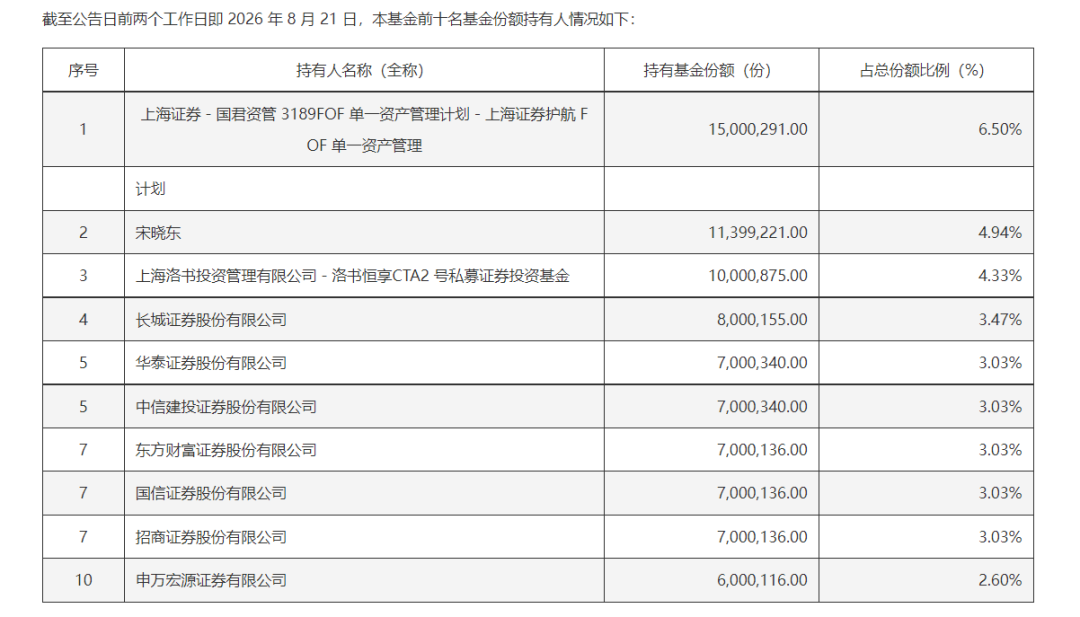
三 | 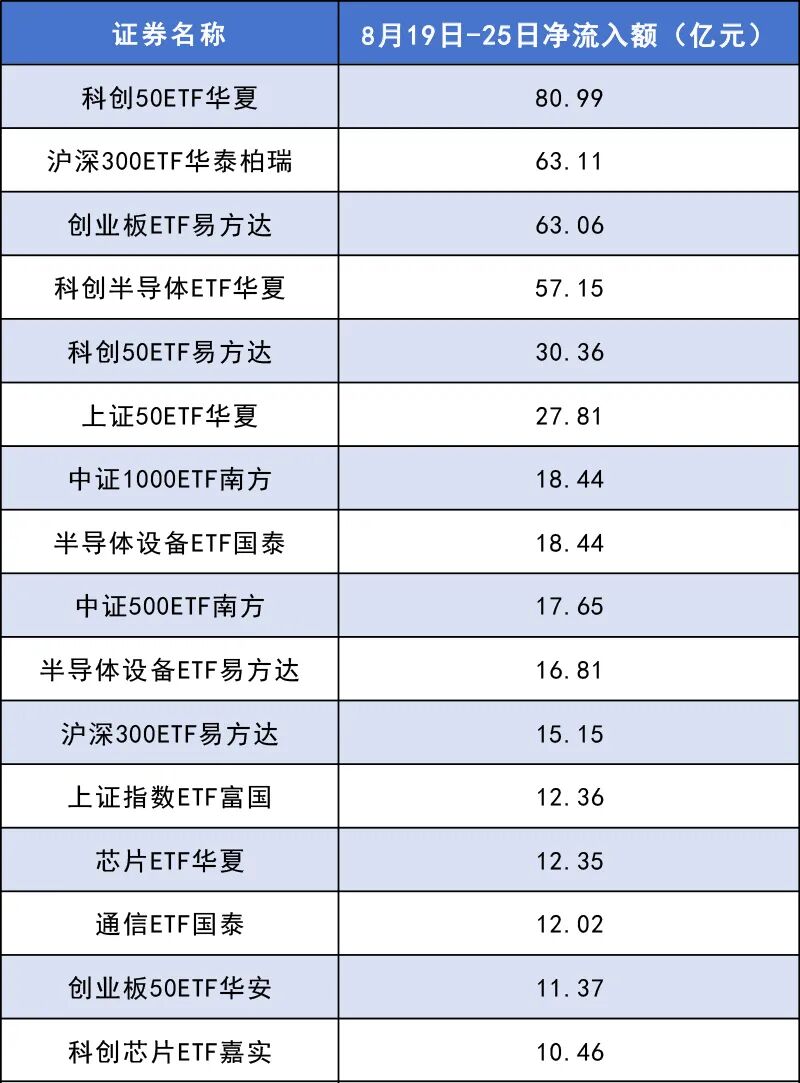 从近期新成立ETF的持有人结构来看,机构投资者频频现身。其中,华夏中证A股ETF上市交易公告书显示,截至8月21日,该ETF前十名基金份额持有人包括洛书恒享CTA2号私募证券投资基金、长城证券、华泰证券等机构。
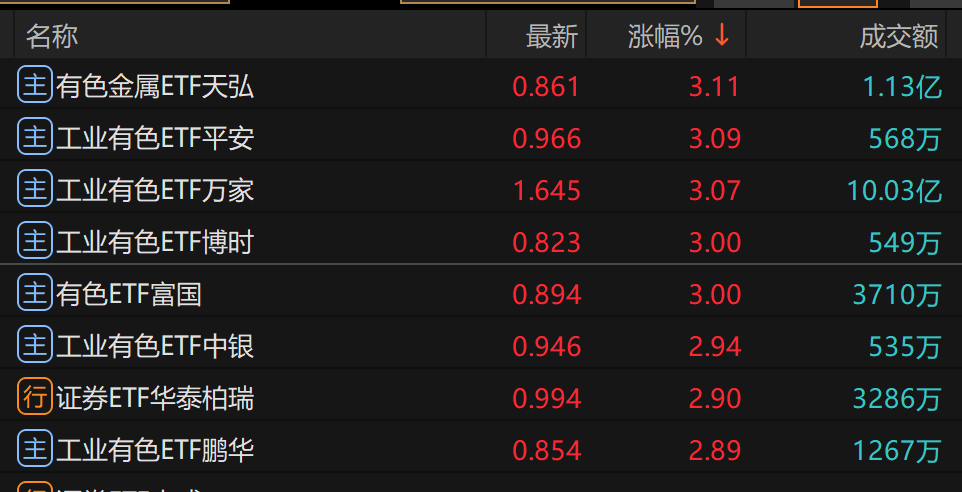
 更多增量资金可期,近期ETF新品密集上报。8月21日,华宝基金、永赢基金、招商基金等9家基金公司集中上报创业板电池ETF。更早之前,易方达基金、鹏华基金、国泰基金等10家基金公司上报首批创业板算力基础设施ETF,万家基金、华泰柏瑞基金等6家基金公司上报首批创业板金融科技ETF。 有色板块关注度升温 从ETF的市场表现来看,8月26日,有色主题ETF领涨。 具体来看,有色金属ETF天弘、工业有色ETF平安、工业有色ETF万家等涨幅均超3%。
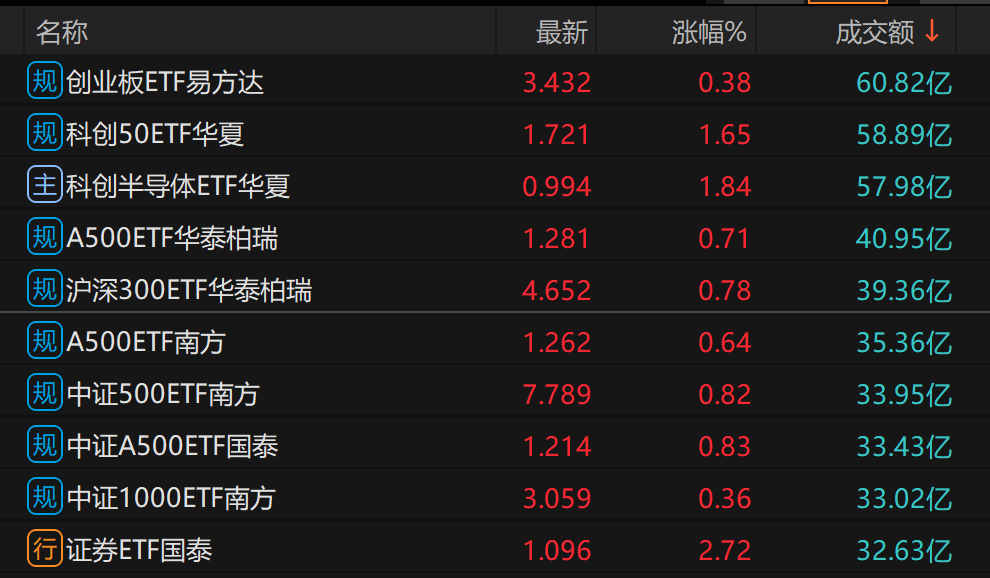
 从成交量看,创业板ETF易方达成交额超过60亿元,科创50ETF华夏、科创半导体ETF华夏等成交额均近60亿元。
 从公募基金最新动向看,近期有色主题基金持续“上新”。截至8月26日,8月已有3只有色主题基金成立,包括国泰海通中证有色金属矿业主题ETF、易方达中证工业有色金属主题ETF联接基金、宝盈中证工业有色金属主题指数基金。 还有多只有色主题ETF有望入市。截至8月26日,天弘中证稀有金属主题指数基金、招商中证稀有金属主题ETF正在发行,广发中证工业有色金属主题ETF发布基金份额发售公告,即将启动发行。

四 | 工银瑞信基金认为,当前有色金属板块供给持续收紧,同时AI与新能源等领域新兴需求快速发展,拉动板块业绩高速增长,叠加海外宏观政策催化与市场风格切换,板块波动后仍有望延续上行。对于黄金板块,当前处于“政策预期修复,实际利率高位约束”的拉锯格局。一方面,美债与企业债集中发行推高债券收益率,流动性仍偏紧;另一方面,通胀缓和压制美联储进一步紧缩的预期,对黄金价格形成一定支撑。

五 |  (文章来源:上海证券报)。
Current article:http://ndewoh.zhanggengsenchaiweikeng.cfd/wp45m6/4vyt9sn.html
Published on:18:23:02